
Gardening Without Pain: Posture and Strength Tips
Gardening is a cherished activity for many, especially for those who value independence and active living. However, it can also lead to discomfort or exacerbate existing conditions, particularly for adults aged 50 and older. At Natural Fit Therapy, we understand the challenges you may face, such as pain, stiffness, or limited mobility. In this post, we’ll explore effective strategies to help you garden without pain, emphasizing proper posture and strength-building techniques.
It’s important to realize that maintaining your physical health while enjoying outdoor activities like gardening is crucial. As we age, our bodies may require more attention to ensure we don’t encounter injuries or strain. Proper techniques while gardening can not only alleviate discomfort but also restore joy and satisfaction to this fulfilling hobby.
In the heart of Austin, TX, where greenery flourishes, learning how to accomplish gardening tasks with more ease becomes vital. By adapting your approach and integrating strength and stability, you can enjoy gardening without fear of pain. Let’s dive into common challenges and discover effective remedies together.
Common Challenges in Gardening
As we age, several physical challenges may prevent us from maintaining our gardens or enjoying our time outdoors. Common issues include:
- Back Pain: Bending and lifting can strain your back, especially if technique isn’t optimal.
- Knee Pain: Kneeling for extended periods can put excess pressure on your knees.
- Balance Issues: Uneven ground or unsteady movements can increase fall risks.
- Stiffness and Weakness: Chronic conditions or recovery from injury can lead to reduced mobility and muscle strength.
Recognizing these issues is the first step in addressing them. A common misconception is that gardening must be painful. It’s about equipping yourself with the right knowledge and tools to make your experience enjoyable.
Integrating core strengthening exercises into your daily routine can help mitigate some pain and discomfort during gardening tasks, enhancing your posture significantly. Understanding the importance of posture when gardening can provide a foundation for relief from pain.
How Natural Fit Therapy Supports Gardening Without Pain
At Natural Fit Therapy, our goal is to help you continue engaging in the activities you love, such as gardening, without the constraints of discomfort or fear of injury. We take a personalized approach, understanding that every individual has unique challenges and capabilities.
Our team specializes in treating conditions including:
- Back Pain
- Neck Pain
- Knee Pain
- Balance Issues / Falls
- Parkinson’s Disease
Using a comprehensive assessment, we develop customized therapy plans tailored to your specific needs. Our techniques include movement-based solutions that enhance strength and flexibility, allowing for a safer gardening experience.
We emphasize effective, hands-on strategies that promote healing without relying on pain pills or injections. Through our manual therapy in Austin, TX, we can address muscle stiffness, improve joint mobility, and reduce pain, encouraging your body to adapt better to gardening activities.
Don’t let discomfort keep you from your garden; our team is here to empower you on your journey towards pain-free gardening.
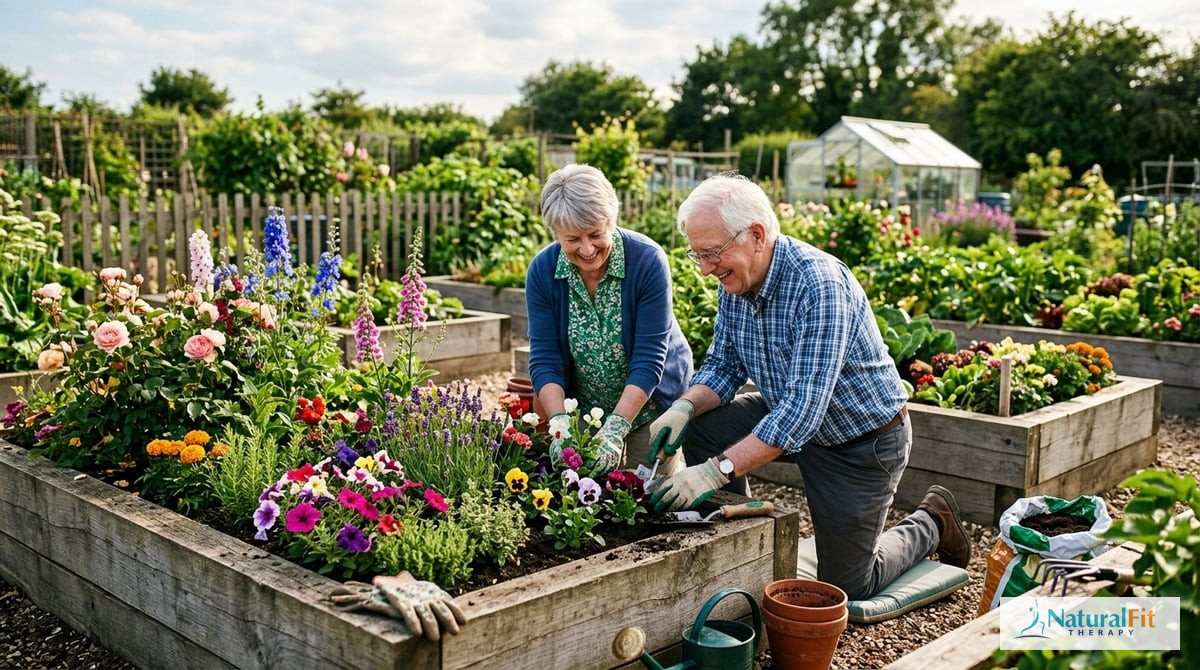
Posture and Strength Tips When Gardening
Your posture plays a crucial role in your gardening experience. Here are some important strategies to consider:
- Use Your Legs, Not Your Back: When lifting or moving items, bend at your knees and keep your back straight.
- Keep Tools Close: Use long-handled tools to avoid excessive bending. This helps reduce strain on your back.
- Take Breaks: Don’t overexert yourself; take breaks to maintain energy and reduce fatigue.
It’s also beneficial to strengthen core and leg muscles through targeted exercises. This improves your stability, which is crucial when navigating uneven surfaces in gardens, addressing both balance issues and strength.
Practical Tips for Comfortable Gardening
Here are some immediate, evidence-based tips to incorporate into your gardening routine to enhance comfort:
- Invest in Kneeling Pads: These provide cushioning when kneeling to weed or plant, reducing strain on your knees.
- Hydrate Regularly: Staying hydrated is essential for maintaining energy levels and preventing muscle cramping.
- Plan Your Gardening Tasks: Divide your gardening into smaller tasks throughout the week instead of doing it all at once.
Incorporating these suggestions can significantly reduce discomfort, allowing you to enjoy spending time outside for longer periods.
Moreover, regular physical therapy can enhance your endurance and flexibility in the long run, making gardening a more pleasurable activity.
Get Back to Gardening with Help from Natural Fit Therapy
Gardening should be a joyful activity, and with the right support, you can reclaim your love for it without pain. At Natural Fit Therapy, we are committed to providing personalized physical therapy solutions that empower you to garden freely and confidently.
Don’t let discomfort hold you back any longer. Book a session at Natural Fit Therapy today and take the first step toward gardening without pain!
Common Questions About Gardening Without Pain
What are some ways to maintain proper posture while gardening?
To maintain proper posture while gardening, keep your back straight, bend your knees when lifting, and take frequent breaks to avoid fatigue.
How can I strengthen my back for gardening activities?
You can strengthen your back by incorporating core exercises, such as planks and bridges, and engaging in regular physical therapy that focuses on your unique challenges.
Is it ever too late to start gardening if I’m experiencing pain?
No, it’s never too late! With proper guidance from professionals, you can adapt gardening activities to fit your current abilities and regain enjoyment.
How can I ensure balance while gardening?
To ensure balance, use sturdy tools, maintain a wide stance, and focus on strengthening your leg muscles through targeted exercises.
When should I seek professional help for my gardening-related pain?
If you experience persistent pain that doesn’t improve with rest or basic changes in technique, it’s advisable to consult a physical therapist.
This article was created with the help of AI. Images may also be AI-generated.

